
Control of Squirrels: Why They Don’t Slow Down in Colder Months
As the days grow shorter and temperatures plummet, many pests retreat or take refuge. Squirrels, though, do the opposite. Instead of disappearing in autumn and winter, they often become more noticeable around homes, gardens and roofs, much to the frustration of homeowners.
Squirrels remain active throughout the colder months as they don’t hibernate. Instead, they spend their time foraging, nesting and preparing for breeding season. This increase in activity can result in problems such as damaged loft insulation, chewed wiring and regular garden raids. Understanding their seasonal behaviour is the first step to effective control of squirrels, especially during the colder months when their activity peaks.
Red squirrels vs. grey squirrels
In the UK, it’s important to understand that not all squirrels are the same. The grey squirrel is an invasive, non-native species which was imported from North America in Victorian times and is now widespread across the nation. At the time, nobody knew how much damage they would cause, and since then, they’ve been happily stripping bark from trees, damaging properties and expanding their population.
Red squirrels, meanwhile, are a native species, and their population has declined significantly due to habitat loss and diseases carried by grey squirrels. Because of this, red squirrels are protected by law, and pest control efforts are focused solely on managing grey squirrel populations.
Seasonal Activity of Squirrels
Autumn and winter are busy times for squirrels. While other animals slow down, squirrels increase their efforts to secure food and shelter. Grey squirrels stay active year-round, relying on food stores rather than body fat to survive. Shorter days and cooler temperatures trigger instinctive survival behaviours, making this time of year a key squirrel nesting season. During this time, they become more visible as they travel familiar routes and investigate potential nesting spots.
Food and foraging behaviour
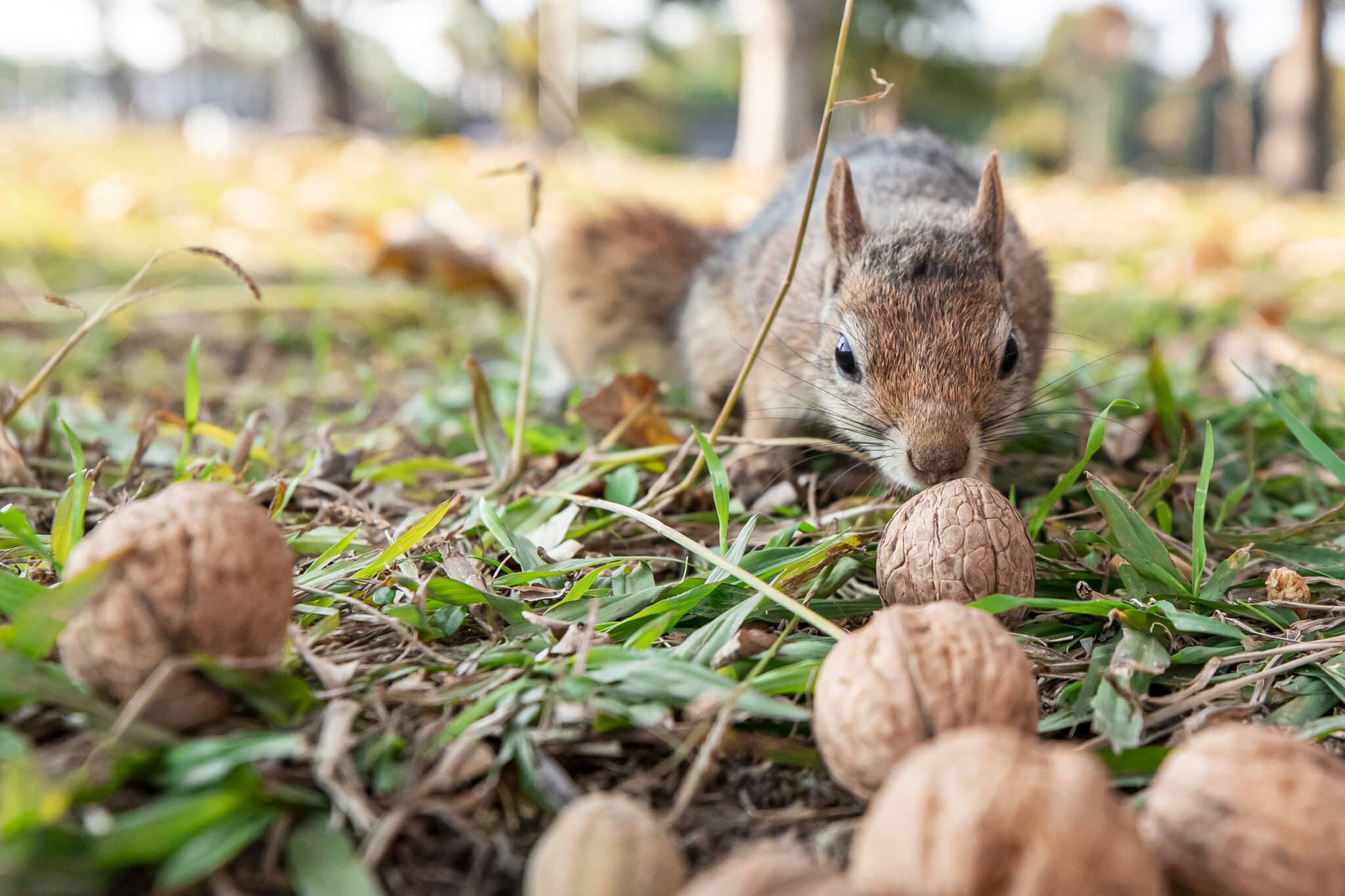
As natural food sources decline in autumn and winter, squirrels have to search harder and wider. Nuts, seeds and bulbs are their favourites, and gardens often provide easy pickings. Bird feeders, compost heaps and fallen fruit encourage repeated visits. Once they identify a reliable food source, they rarely give it up, which is why controlling grey squirrels becomes more important as winter approaches.
What time of year do squirrels build nests?
For squirrels, nest-building is a year-round activity. However, it intensifies in autumn and winter. Grey squirrels mate twice a year, with autumn often their preparation phase. At this time, nesting behaviour increases and squirrels spend more time exploring lofts and roof spaces. This period in the squirrel nesting season makes homes particularly vulnerable to intrusion
Where Grey Squirrels Nest
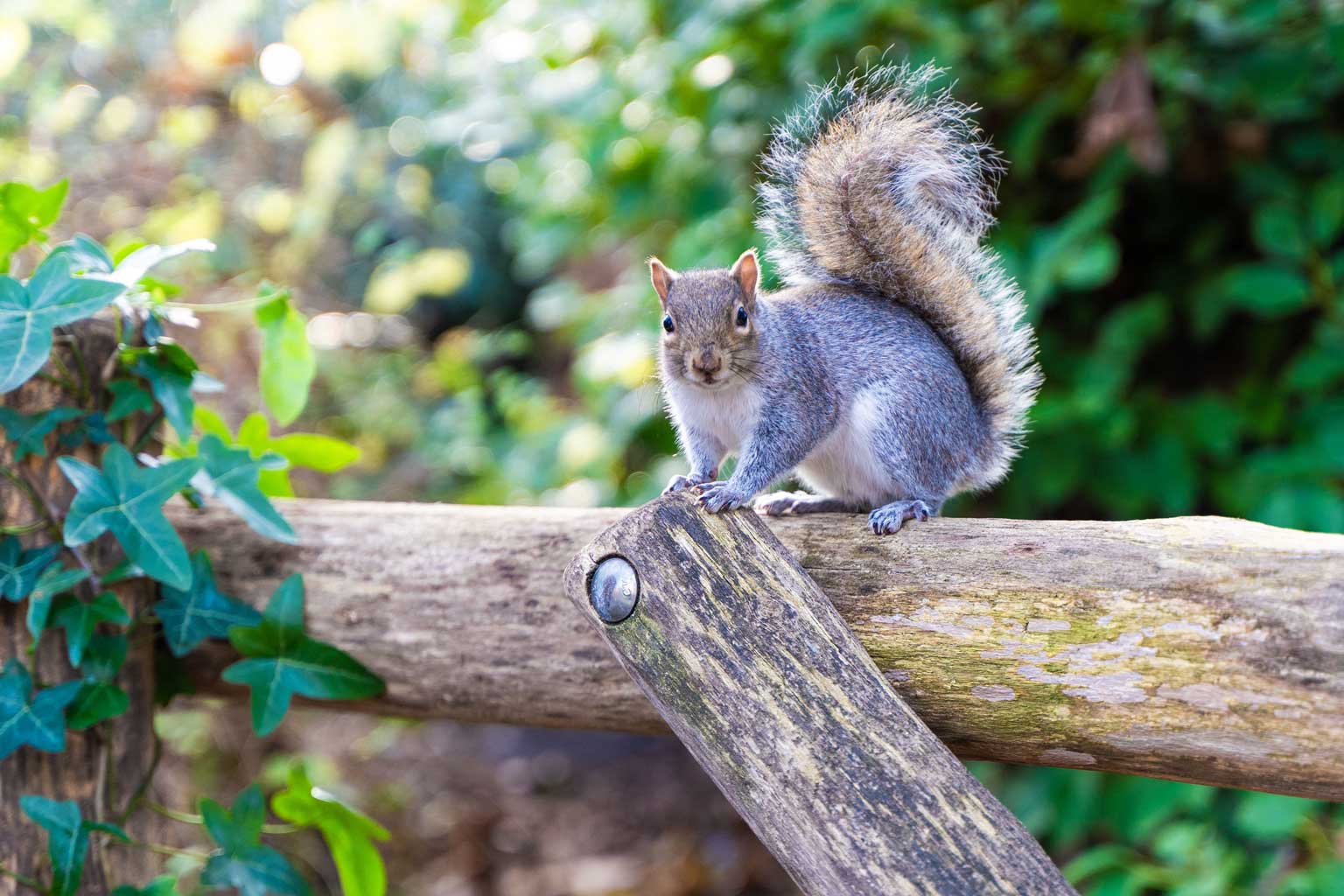
Grey squirrels are very adaptable, using both natural and manmade structures to nest.
Common nesting locations
In woodland, they build dreys high in tree canopies, using branches, leaves and moss to create sheltered, camouflaged nests. Around residential areas, however, they prefer warmer, sheltered, manmade spaces. Many homeowners ask, “Where do grey squirrels nest?” – and unfortunately, the answer often includes lofts, attics, roof spaces and chimneys. These areas provide warmth, protection from predators and easy access via roofs, guttering or overhanging branches.
Nest construction and habits
Squirrels build their nests with twigs, moss, leaves and whatever other soft material they can find. In your home, that often means insulation materials, cardboard or fabric. These materials keep nests durable, insulated and camouflaged.
Understanding squirrel nesting habits is key to preventing repeat infestations. Squirrels often maintain multiple nests and move between them, so activity may seem to stop, only to start again days later.
How to Control Squirrels During Autumn and Winter
Effective control of squirrels relies on early detection and prevention. Once squirrels identify a safe nesting site, they will be persistent. Regularly checking roof areas, listening for movement in lofts and watching for garden damage can help catch issues early. Autumn and winter are the most important times to act.
Preventative measures
Preventing access is one of the most effective ways of controlling grey squirrels. This includes repairing any roof damage, sealing gaps and trimming back any overhanging branches. Removing easy food sources also helps reduce repeat visits.
Professional assistance
Early prevention and basic deterrents can be effective in some cases, but there are many situations where professional help is essential. If squirrels have already gained access to your loft or roof space, DIY measures often fall short – and can even make the problem worse by forcing squirrels to find new access points, causing even more damage.
Professional pest control ensures that squirrels are managed safely, humanely and legally, with a focus on identifying nesting areas and entry points, as well as long-term prevention. By thoroughly inspecting your property and tailoring the solution, professional squirrel pest control specialists can prevent recurring problems and protect your home year-round.
Keeping Your Home Safe from Active Squirrels
Squirrels don’t disappear in the autumn and winter. Instead, they adapt. As they increase their foraging and nesting activity during the colder months, your home and garden will be at increased risk. With squirrels being so persistent, it’s important to act before they get too settled in.
Understanding the seasonal behaviour of squirrels, monitoring your property and acting early are vital for the long-term control of squirrels. If you need expert help to get them under control, Pest Stop Boys are here: friendly, professional, and with decades of experience in banishing squirrels for good.

