
The Hidden Highway: Why Rats in the Drains Spell Trouble
Rats might not be the first thing that comes to mind when you think about plumbing issues, but if you’ve ever heard scratching under the floor or noticed strange noises coming from your drains, they could be the culprits. Rats in the drains are a bigger issue than many realise, quietly using the underground pipe network as their personal motorway.
Why Drains Are a Rat’s Dream Home
Rats in the sewer don’t just pass through; they actively seek out the perfect spots to establish colonies – and residential drains often tick all their boxes.
How rats use drains as hidden highways
Rats are resourceful. They’re also good swimmers and climbers. Drains and sewers are ideal habitats, offering everything rats need – warmth, shelter from predators, consistent water access, a steady supply of food scraps and direct routes into buildings or homes. Once they’re in, they can travel easily between properties, popping up through broken pipework, loose joints, or even toilets.
A single rat can squeeze through a gap the size of a pound coin, and once they find a weak spot, others will follow. If left unchecked, a problem that starts in the drains can spread into kitchens, basements, or cavity walls before you even realise they’re there.
The warning signs of rats in the drains
Because most of the activity happens underground, drain rats can go unnoticed for a while. Still, there are a few telltale signs:
- Scratching or scurrying noises under floors or behind walls, especially at night
- Unusual gurgling sounds from drains
- Unexplained foul smells coming from drains, plug holes, or toilets
- Rat droppings near plumbing outlets or around external drain covers
- Blocked drains or slow-flowing water caused by nesting or gnawing
- Grease marks or gnawing damage around pipe openings.
If you’ve noticed any of these, it’s time to act quickly – the longer you wait, the more damage they can do.
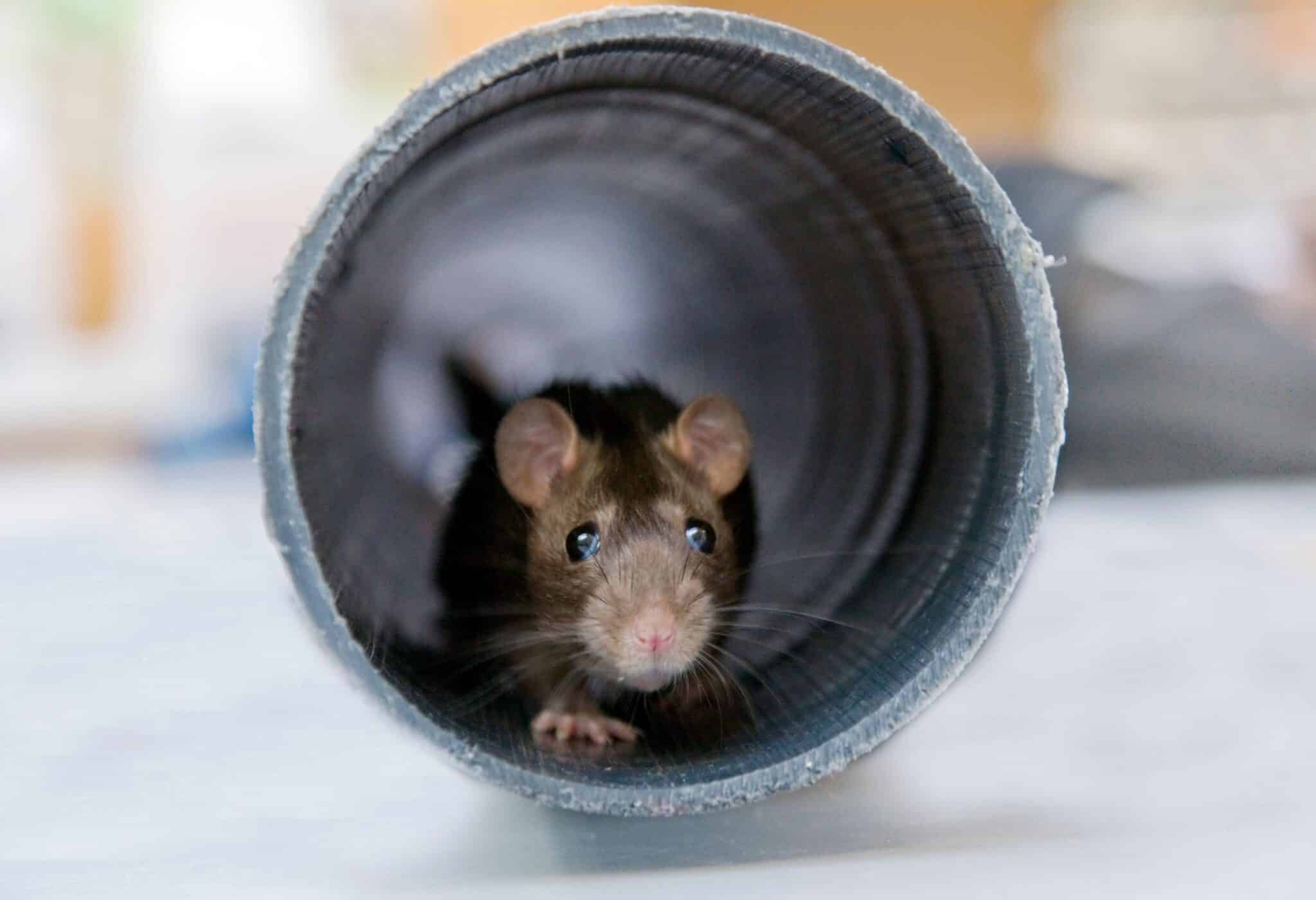
Ignoring Drain Rats Creates Serious Problems
Many property owners adopt an “out of sight, out of mind” approach to rats in the drains, but they can cause a surprising amount of trouble both above and below ground.
Health hazards
Rats carry diseases such as Weil’s disease (Leptospirosis), Salmonella, and E. coli, which can spread through their urine, droppings, or contaminated water. If they breach a property through broken pipework or overflow outlets, that contamination can easily make its way into your water system, food areas, storage spaces, or air vents. Rats don’t respect boundaries between sewer systems and living spaces. And for businesses (especially in food, hospitality, and healthcare), a single rat sighting can result in serious reputational and financial fallout.
Property damage
Rats don’t just pass through drains; they chew through them. These rodents gnaw constantly to keep their teeth manageable, which leads to structural damage: pipe joints, inspection covers, insulation and even electrical wiring. Over time, that can lead to leaks, flooding, and costly repairs. Rats in the sewer also create blockages by nesting in pipes and depositing debris. These blockages cause water backups, and the repairs cost a lot more than preventive measures.

How to Tackle Rat Drain Problems
Trying to deal with rats in the drains using supermarket traps or poisons might seem like a quick fix, but these methods rarely get to the root of the problem. If rats are using the pipes to enter your property, surface-level treatments only push them to reappear elsewhere.
Professional drain surveys and proofing
First, you’ve got to find out where rats are getting in. At Pest Stop Boys, we carry out drain surveys using specialist CCTV cameras and access tools to identify entry points, trace their routes, and get a full picture of all the rat activity in your drainage network. Once we’ve found the weak points, we can install one-way rat valves to block their return without disrupting your drainage.
For a long-term solution, our rat pest control services tackle infestations at the source, ensuring rats don’t return through your drains.
Why DIY fixes often fail
Most DIY solutions focus on the visible areas (e.g. setting store-bought traps in kitchens or garages) while ignoring the source underground. Even if you catch one rat, it’s a temporary relief. Rats are persistent and clever – block one entry point, and they’ll just find another. Without addressing damaged pipework or open connections in the sewer, infestations tend to come back.
How to Prevent Rats in the Drains from Returning
Here are a few practical steps to help prevent rats from moving in:
- Inspect regularly: Have your drains checked annually, especially in older properties.
- Seal entry points: Close up any cracks, gaps, or redundant pipes where rats could squeeze through.
- Keep it clean: Don’t pour fats, oils, or food waste down sinks (it attracts rodents).
- Secure outdoor bins: Overflowing bins and waste areas near drain outlets are an easy food source.
- Monitor for signs: If you hear noises, notice unusual smells, or find droppings near drains, don’t ignore them.
- Call pest control: Install one-way rat valves in vulnerable drain connections.
Protect your property from rats in the sewer
Rats can quickly move from drains to living spaces if left unchecked. Early action is always more cost-effective than dealing with an infestation later on. At Pest Stop Boys, our drain surveys and rat-proofing solutions are designed to find and fix the problem at its source, giving you peace of mind that the issue won’t return.
Our professional rat pest control services ensure that once the problem is dealt with, it stays dealt with. We’re available 24/7 across East and West Sussex, because rats don’t keep business hours. Don’t wait for drain-related rat activity to become a problem. Contact us today for an assessment and professional treatment plan.
