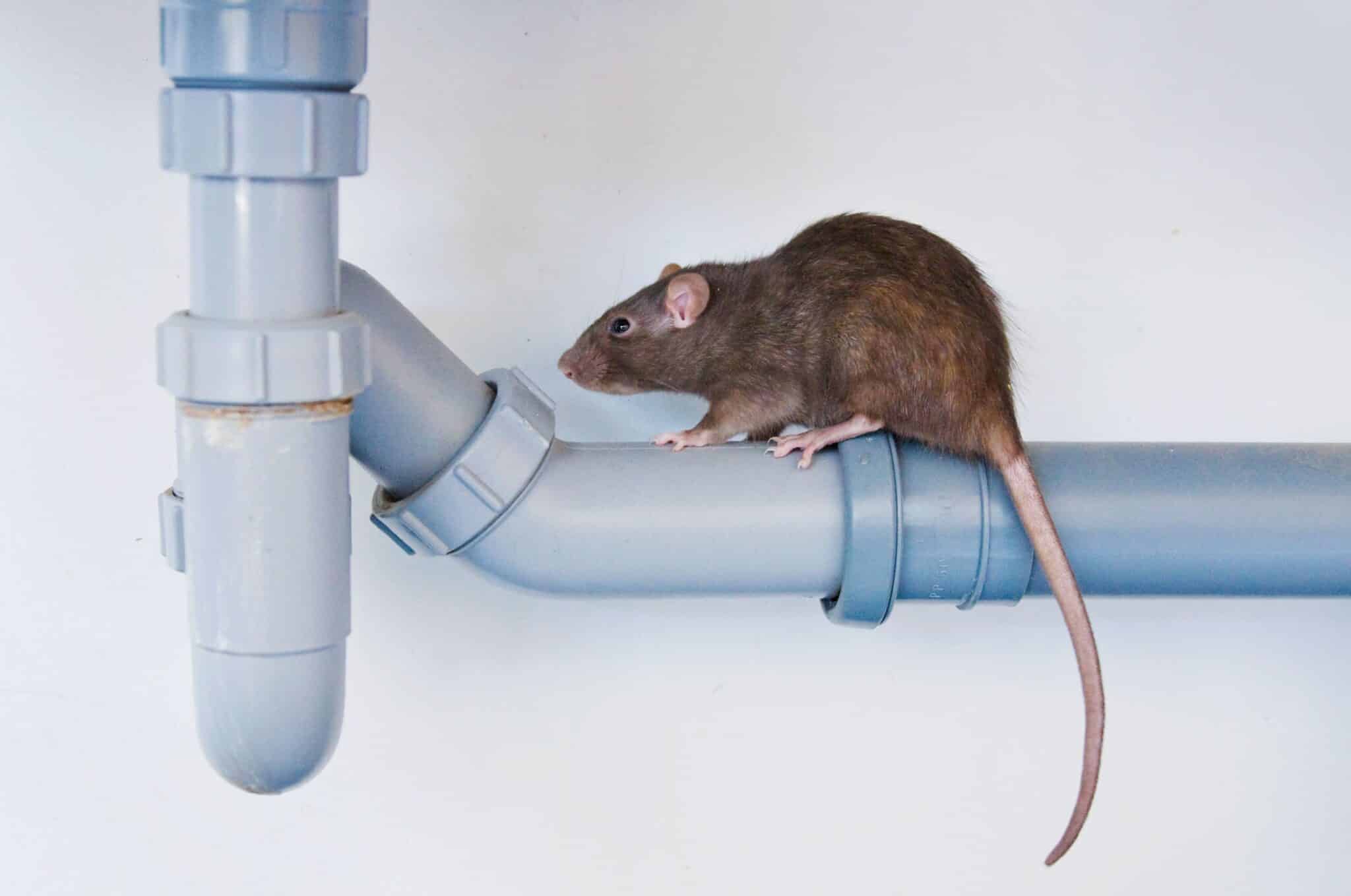
Rats’ Nocturnal Habits: Why They Love the Night Shift
Have you ever heard scratching, gnawing or scurrying sounds once the lights go out? You’re not imagining things. Rats’ nocturnal habits mean they’re most active when your household is fast asleep. Understanding why rats prefer the darker hours and what this means for your home is a key step towards preventing infestations and dealing with them quickly if they do appear.
While rats are very adaptable creatures, their nighttime habits are deeply ingrained. By learning how and when they move, homeowners can spot early warning signs, take preventative measures and avoid long-term damage to their property and their health.
Understanding Rat Nocturnal Behaviour
Rats are naturally cautious as a species. Over thousands of years, their behaviour has evolved to prioritise survival. A common question we hear is, “Are rodents nocturnal?” The short answer is that yes, many are – especially rats and mice. Darkness gives them the freedom to move around unnoticed while people, pets and predators are asleep.
Do rats come out at night?
Yes, they do, because it’s when they feel safest. Darkness reduces the risk of encountering predators or humans, making it the ideal time to explore new spaces and forage for food.
Rats rely heavily on their senses of smell, touch and hearing, rather than their sight, meaning low-light conditions cause them no problems. Kitchens, bins, pet feeding areas and garden waste storage become prime targets as daylight fades. Inside your home, wall cavities, lofts and underfloor spaces mean they can travel unseen in search of food and nesting materials. This is why many homeowners first notice scratching or scurrying noises after dark, when rats are most active and confident.
Do rats come out during the day?
Rat sightings during the day are generally a sign that something isn’t quite right. They may be a sign of a growing population, limited food availability, or a nest that has been disturbed. In cases like these, rats may need to take greater risks to survive. Seeing a rat in the daytime is often a warning sign that an infestation is established and escalating, and the longer it’s left, the harder it can be to control. Early action can help prevent further spread and reduce the risk of damage to your home and your health.

Signs of Nocturnal Rat Activity in Your Home
Unexplained noises after dark are one of the biggest signs of rats’ nocturnal habits in your home: scratching within walls, gnawing sounds near kitchens and cupboards, or scurrying in lofts or underfloor spaces.
Other signs may not be discovered until the daylight hours: droppings along skirting boards, chewed packaging, damaged wiring and disturbed waste, food or pet feeding areas. These clues will normally be part of a routine driven by rats’ nightly movements, and recognising them early is key to preventing more serious damage.
How to Protect Your Home from Nighttime Rats
Preventing rats starts with understanding how they access properties and exactly what attracts them at night. Rats are opportunistic, so even the tiniest of gaps or the smallest of food sources can encourage repeat visits.
Prevention tips that really work
The best way to prevent rats taking over your home is denying them the things they rely on to thrive. Small changes – especially when combined with regular monitoring – can have a big impact. Seal any gaps around pipes, air bricks and drains, and keep food (including pet food) safely stored away.
Maintain your gardens, too, by clearing debris, securing bins and trimming back any overhanging plants. Reducing access points and accessible food sources will make your home far less appealing to rats.
Monitoring and professional assistance
Even with good preventative measures, rats can still find a way in, especially in older houses and densely populated areas. Monitoring activity via regular checks and traps can help, but DIY solutions can often fail if an infestation is already established.
Professional rodent pest control ensures rats are dealt with safely, legally and effectively. At Pest Stop Boys we identify entry points, assess activity patterns linked to rats’ nocturnal habits and implement solutions that will keep them away in the long term, rather than simply being a quick fix. Early intervention reduces health risks plus the risk of damage and disruption, making professional support your best bet.
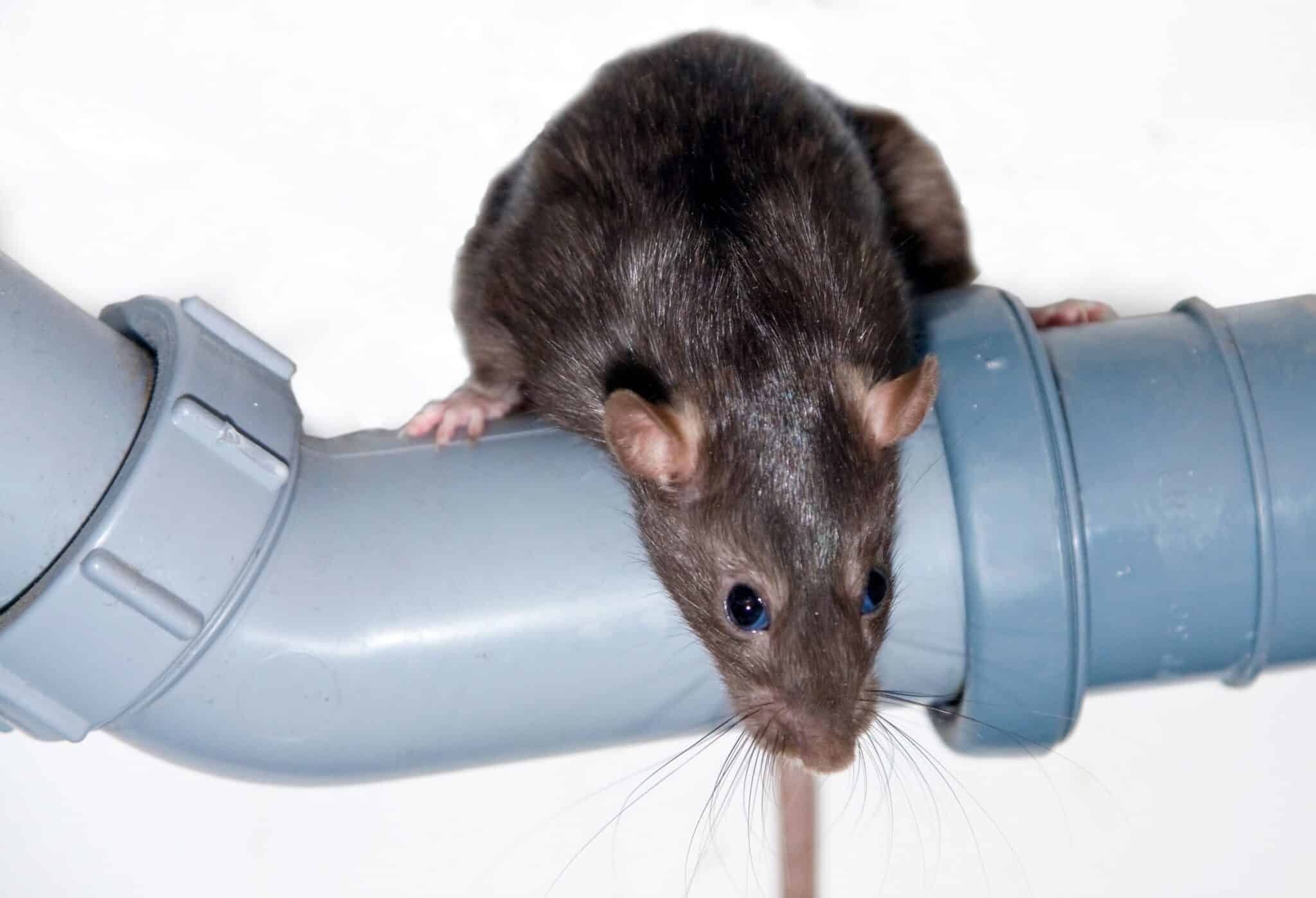
Keeping Your Home Safe from Rats’ Nocturnal Habits
Are rodents nocturnal? Yes, and nighttime gives rats the best possible opportunity to stay hidden, find food and expand their territory without being caught. Understanding this behaviour helps homeowners spot the early warning signs of a rat infestation and take preventative action before the problem becomes even harder to manage.
By sealing entry points, securing food sources and calling in professionals when needed, you can protect your home from unwanted nighttime guests. If you’re hearing suspicious sounds after the lights go out or spotting signs in the morning, Pest Stop Boys are here to help.