Wasp Nest or Bee Hive? Here’s How You Tell The Difference
If you’ve spotted some buzzing insects setting up shop near your home, it’s easy to panic. Before you reach for the spray or start Googling “how to get rid of wasps fast,” take a closer (but careful) look. What you think is a wasp nest could actually be a bee hive…
Wasp nest vs. bee hive…which one is it? In and around Worthing, wasps and bees are both active from spring through early autumn. But while wasps can become aggressive and pose safety risks, bees are generally harmless and play a vital role in pollination. Knowing whether you’re dealing with a wasp nest or a bee hive is the first step to handling things properly.
Getting the ID Right Really Matters
Wasps and bees might look similar from a distance, but they’re actually quite different. Mistaking a bee hive for a wasp nest could mean disturbing a colony hard at work, while underestimating a wasp nest could lead to painful stings, or worse, an allergic reaction.
Risks of disturbing wasps vs. bees
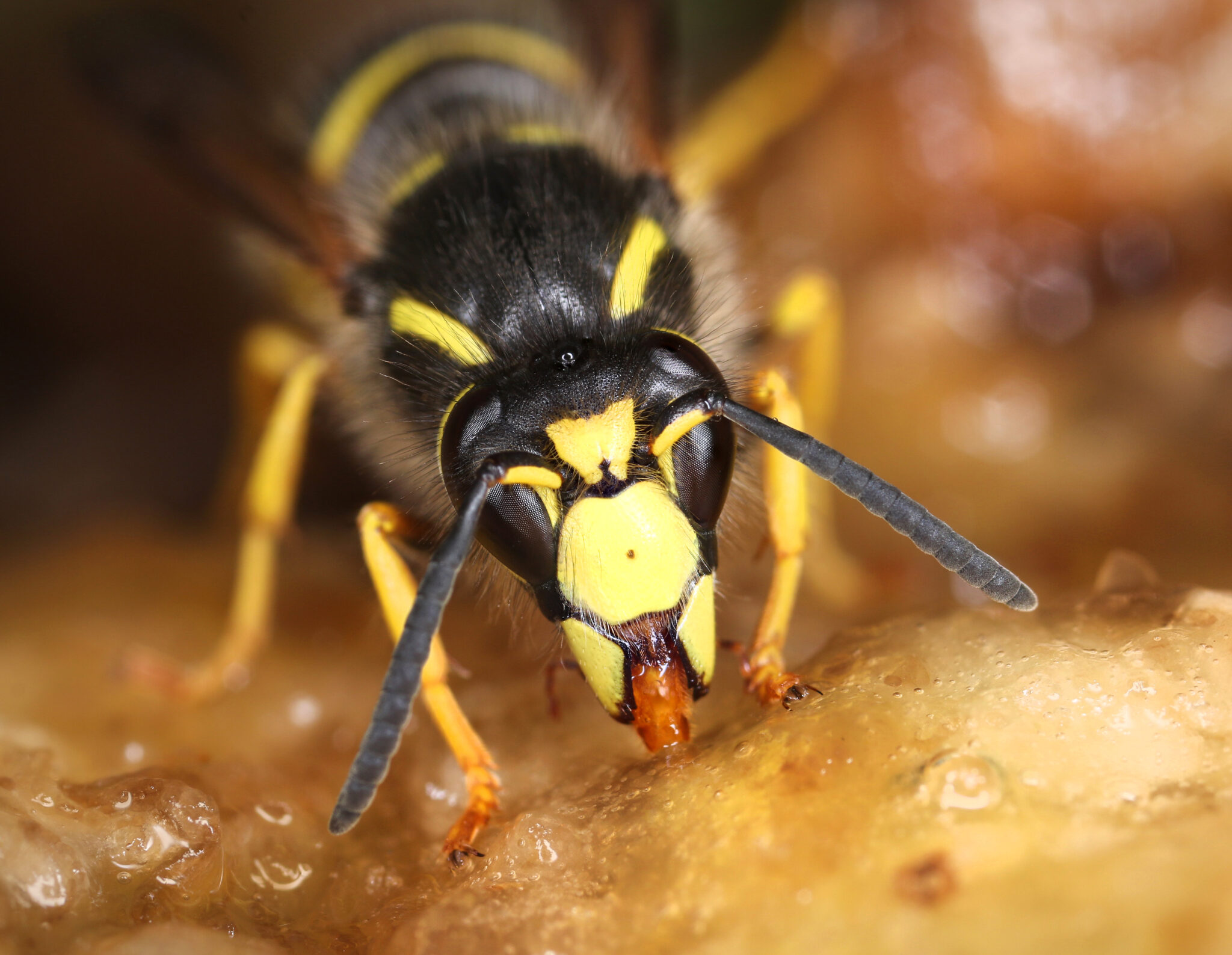
Wasps can turn aggressive when threatened and defend their nest with enthusiasm. They can sting multiple times, don’t lose their stinger, and become increasingly defensive as summer progresses. Disturb a wasp nest, and you’re likely to face an angry swarm that won’t back down easily.
Bees, on the other hand, are generally docile creatures and usually sting only as a last resort (when they feel genuinely threatened) – and when they do, it’s fatal to them. Bees are also important because they pollinate most of the plants and crops we rely on for food. Beyond personal safety, the way professionals handle removal differs between the two, which is why correct identification saves time and stress.
Wasp Nest vs. Bee Hive: The Pest Control Approach
It’s tempting to tackle the problem yourself, but DIY pest control rarely ends well. With wasps, even a small disturbance can provoke a swarm response, leading to multiple stings (maybe even a hospital visit). When you suspect you’re dealing with wasps, safety should be your top priority. That’s why calling a professional before taking action is so important.
With bees, it’s best to call in an expert to ensure that the hive is treated with care (bee colonies are never destroyed unless absolutely necessary). In most cases, we coordinate with local beekeepers to relocate the hive humanely.
The wasp nest vs. bee hive distinction completely changes how we handle the situation. Wasp nests typically require removal or treatment using professional-grade insecticides and protective equipment, especially when they’re close to human activity.
Approaching an aggressive wasp colony with bee-friendly methods could put you in real danger. It’s best to call in a professional like Pest Stop Boys who can confirm what you’re dealing with and handle it correctly.
How to Tell a Wasp Nest from a Bee Hive
Understanding the visual differences is your first step toward safe identification.
What a wasp nest looks like
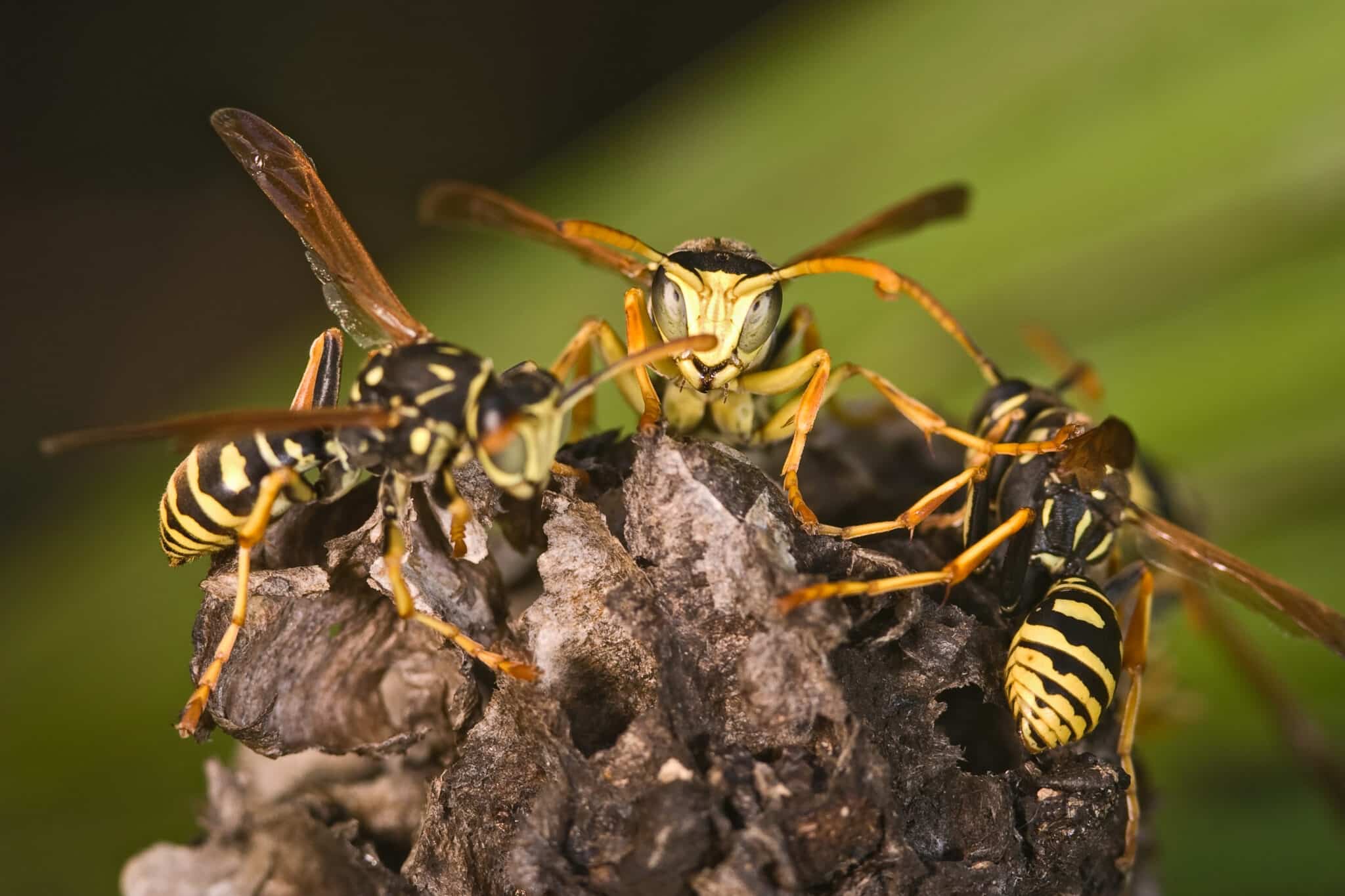
Wasp nests are often papery and smooth, built from chewed wood pulp that looks like grey papier-mâché. It’s hard to miss once you know what to look for. They tend to be ball- or teardrop-shaped, with a single entry hole. You’ll usually find them in sheltered spots – lofts, roof eaves, wall cavities, garages, garden sheds, and sometimes underground. Early in the season, nests may be the size of a tennis ball but can expand rapidly to the size of a football or bigger by late summer. Fresh nests appear lighter in colour, while older ones take on a more weathered, brownish appearance.
What a bee hive looks like
Bee hives look completely different to wasp nests. Wild hives are made from wax rather than wood pulp and appear golden, lumpy, and almost dripping in texture. Natural bee colonies are often found in hollow trees, roof cavities, wall voids, or other enclosed spaces – anywhere dry and dark. If you can see the actual comb structure, it’s typically a golden-brown colour made of beeswax, not the grey paper material of wasp nests.
How to Identify a Wasp Nest
When trying to determine if you’re dealing with a wasp nest vs. bee hive, sometimes you just have to watch how the insects behave around their homes. A few safety pointers:
- Observe from afar. Never poke, spray, or throw water at the nest.
- Listen carefully. Wasps often sound higher-pitched and more frantic, while bees have a lower, steadier buzz.
- Note behaviour. Wasps scavenge for sweet food and meat; bees usually visit flowers.
- If you’re unsure, snap a photo from a safe distance and share it with a pest control expert.
How wasps act around their nest
Wasps are naturally more aggressive and territorial. You’ll see them flying in erratic patterns around their nest, especially if they sense a disturbance. They might become agitated even if you’re just walking nearby. They’re drawn to sugary drinks, sweet foods, bins and outdoor dining areas. Wasp activity tends to peak during late summer, especially in the late afternoon and early evening.
How bees behave around their hive
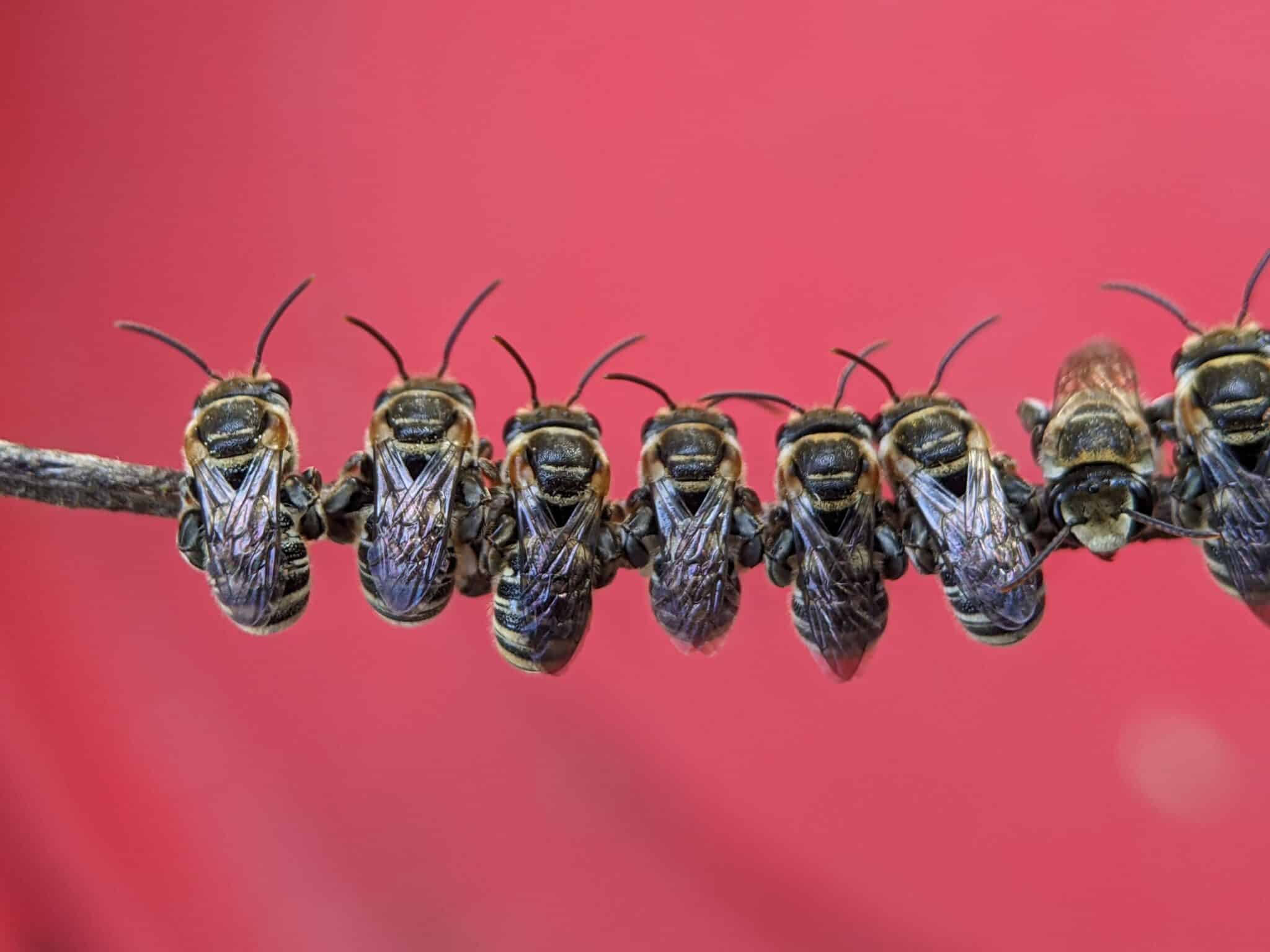
Unlike wasps, bees aren’t hovering aggressively or patrolling for food. You’ll see a steady, organised stream of traffic in and out, with bees collecting pollen and returning calmly. They’re focused on their work (collecting pollen and nectar from flowers) and generally ignore human activity unless directly threatened.
How Pest Stop Boys Can Help
Some uninvited guests need eviction notices, while others just need help finding a better neighbourhood. The Pest Stop Boys team knows the difference between a wasp nest and a bee hive, and how to handle each responsibly. We work in and around Worthing, offering reliable pest control services with the proper equipment and experience to handle these situations safely. We’ll help you tell your wasps from your bees, and deal with both quickly, safely, and discreetly.