
The Difference Between a Wasp and a Hornet: Why Both Need Professional Removal
British summers are all about barbecues, garden parties and afternoons spent soaking up the sun. Sadly, though, they’re also the prime time for uninvited guests who just won’t buzz off…
The sight of a large striped insect on the premises often leads people to ask, “what’s the difference between a wasp and a hornet?” It’s a question we often hear at Pest Stop Boys, and while many struggle to tell the difference, the truth is that the two look, behave and nest differently.
Knowing which visitor you’re dealing with can help you understand the level of risk. Remember, though: both wasps and hornets can become dangerous when they establish a nest close to people, which is why professional removal is the safest option.
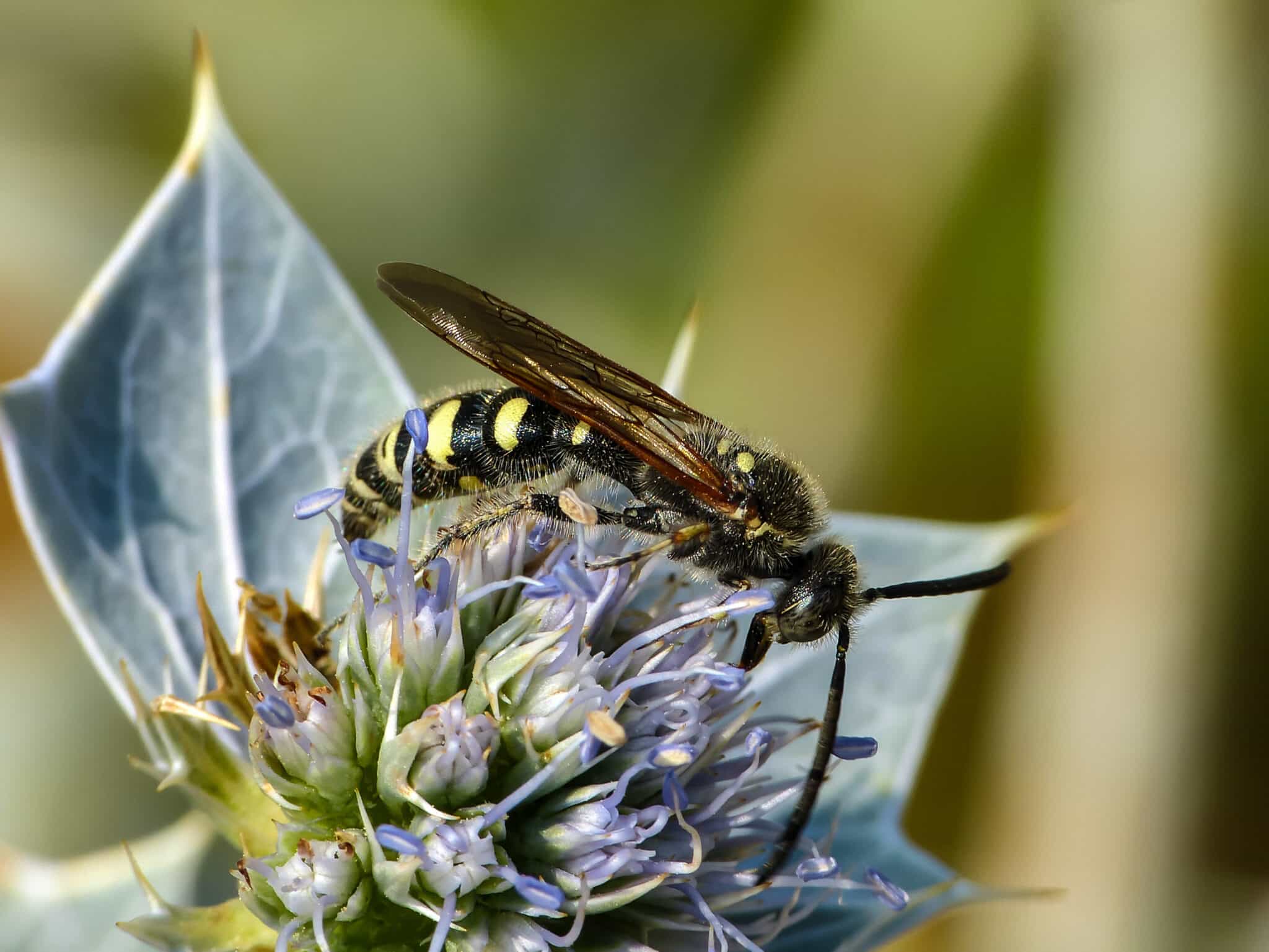
Hornets Compared to Wasps: How to Tell Them Apart
While they may look similar at first glance, there are a few easy ways to tell the difference between a wasp and a hornet.
Size, Colour and Markings
When looking at hornets compared to wasps, their size is usually the biggest giveaway. Common wasps measure around 1-1.5cm long and are instantly recognisable because of their bright yellow and black stripes. These are the familiar visitors that somehow seem to know exactly when the ice creams and sugary drinks are set to make an appearance.
European hornets are much larger, growing to around 3.5cm long. Rather than bright yellow, they have warmer orange-brown or reddish-yellow colouring, giving them a softer appearance despite their larger size. At first glance, they can seem intimidating, but bigger doesn’t necessarily mean more aggressive.
Flight Patterns and Personalities
Wasps are the UK’s ultimate picnic crashers, attracted to sugary foods and curious around people, and becoming defensive surprisingly quickly. However, hornets, compared to wasps, are often calmer. You wouldn’t expect it, given their intimidating size, but they tend to keep themselves to themselves and are far less interested in your ice creams and barbecues. If you disturb their nest, though, you’re fair game.
Whether it’s wasps or hornets you’re dealing with, giving them plenty of space is always the most sensible approach.
Venom and Vengeance: Hornet Versus Wasp Sting
For many people, the biggest concern isn’t telling the two apart – it’s understanding what happens if one stings you…
Pain Levels and Health Risks
When reading about a hornet versus wasp sting, you’ll find plenty of misinformation online. Hornets are larger insects, so it’s not surprising that they carry more venom and have a larger stinger. As a result, many people find a hornet sting more painful than a typical wasp sting, but pain levels can vary from person to person.
Unlike honeybees, both wasps and hornets can sting repeatedly if they feel threatened. For most people, the result is temporary pain, swelling and redness. However, if someone who’s been stung develops difficulty in breathing, swelling around the face or throat or dizziness, or collapses after being stung, get emergency help immediately: it may be an allergic reaction known as anaphylaxis.
Spotting a Wasp or Hornet Nest on Your Property
If you suspect wasps or hornets have moved in, it’s important to know what to look for…without getting too close. A few tell-tale signs can help you identify an active nest, while keeping a safe distance.
Location and Architecture
Finding a wasp or hornets’ nest isn’t always easy, as both species prefer sheltered locations.
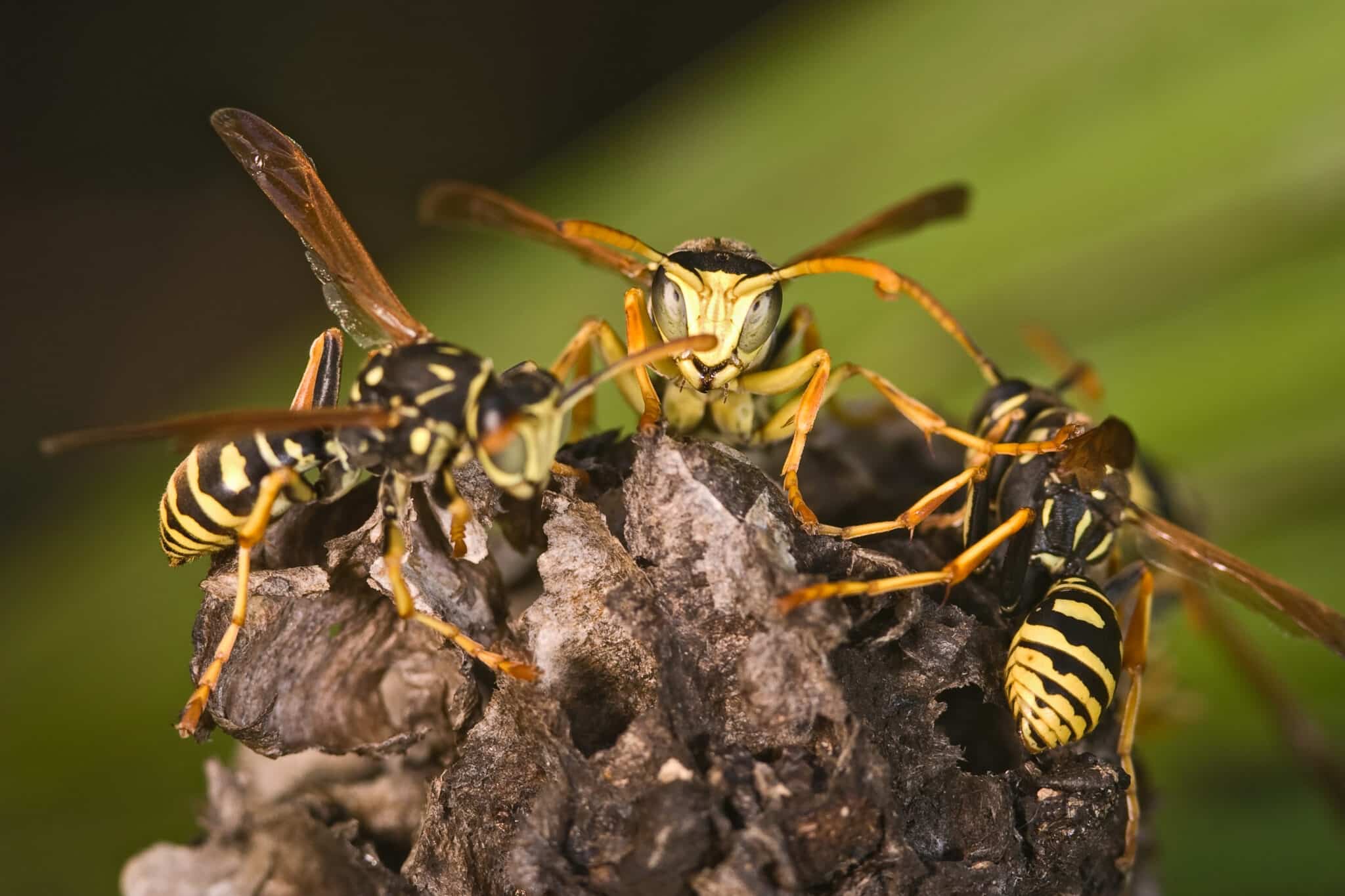
Wasps create distinctive, paper-like nests using chewed wood fibres. You’ll commonly find these inside lofts, sheds, wall cavities, garages and roof spaces. Hornets often prefer quieter, higher-up locations such as tree hollows, chimneys and roof voids. Their nests usually appear darker with greyish-brown swirls.
One of the clearest signs of a wasp or hornets’ nest is heavy insect traffic. If you repeatedly see wasps or hornets flying in and out of the same hole or gap, chances are there’s an active nest hidden nearby. Whatever you do, don’t investigate too closely.
Why DIY Nest Removal is a Buzzkill (and Highly Dangerous)
It can be tempting to reach for a supermarket wasp spray, something to smoke them out or one of the numerous online “life hacks” to solve a wasp or hornet problem without spending too much money. All you’re likely to achieve, though, is provoking the entire nest – which could be thousands of angry, stinging insects.
Off-the-shelf sprays are unlikely to get to the root of the problem, while smoke, boiling water and homemade remedies will often make things worse. Both wasps and hornets have an innate defensiveness which makes a failed DIY attempt instantly dangerous.
Professional pest controllers have the specialist protective equipment, commercial-grade treatments and experience needed to eliminate nests safely and efficiently. If you’ve discovered an active nest, our wasp nest removal service offers a fast, effective solution that protects both your property and its residents.
Leave the Buzz to the Professionals
Now that you know what the difference is between a wasp and a hornet, you don’t need to tackle the problem alone. At Pest Stop Boys, we safely remove active nests with minimal disruption, giving you back your garden, loft or workspace without you needing to worry about painful stings or repeat infestations.
If you’ve noticed increased wasp or hornet activity, don’t wait until the colony grows even larger – contact us today for friendly advice and a free quote. We provide expert, safe, and fully insured pest control for hornets, bees, and wasps across Sussex, including Brighton, Angmering & Coastal Villages, East Preston, Hove, Shoreham, and Worthing. Get in touch with your friendly local team today to reclaim your space!

