
When is Wasp Season in the UK & When Do Wasps Leave the Nest?
When the warmer weather finally appears, most of us can’t wait to get outside. We fire up the BBQs, our gardens come back to life and outdoor dining returns…but something else less pleasant makes a reappearance, too: the familiar, stripy buzz of the dreaded wasp. If you’ve ever wondered when is wasp season in the UK, when do wasps leave the nest and when can we sit in the garden in peace, you’re not alone. Understanding their lifecycle can help you know when activity is likely to peak, why they seem especially annoying later in the summer, and when it’s time to call in the professionals such as Pest Stop Boys.

The Seasonal Timeline: When is Wasp Season in the UK?
Wasp colonies follow predictable yearly cycles. Knowing what happens throughout the seasons makes it easier to understand why their behaviour changes as the months go by.
Spring awakening to mid-summer swarms
Wasp season in the UK normally starts in April. After spending their winter hibernating, fertilised queen wasps emerge as the temperature rises. Each queen starts building a small paper nest, often no bigger than a golf ball, in a sheltered place such as a loft, wall cavity, shed or garage.
As spring turns into early summer, the queen lays more eggs, producing sterile worker wasps that take over nest building and foraging duties. By June and July, these colonies can contain thousands of workers, making wasps far more noticeable in homes, gardens and businesses around West Sussex.
Late summer sweet tooth
By August, the colonies’ priorities change. Earlier in the season, worker wasps spend much of their time feeding the developing larvae. In return, these larvae produce sweet secretions that keep the workers well-fed. Once the nest stops producing larvae, that reliable source of food disappears and worker wasps must search elsewhere. That’s when they head for picnics, pub gardens, bins, fallen fruit and fizzy drinks – and why they often seem much more persistent and irritating towards the end of summer.
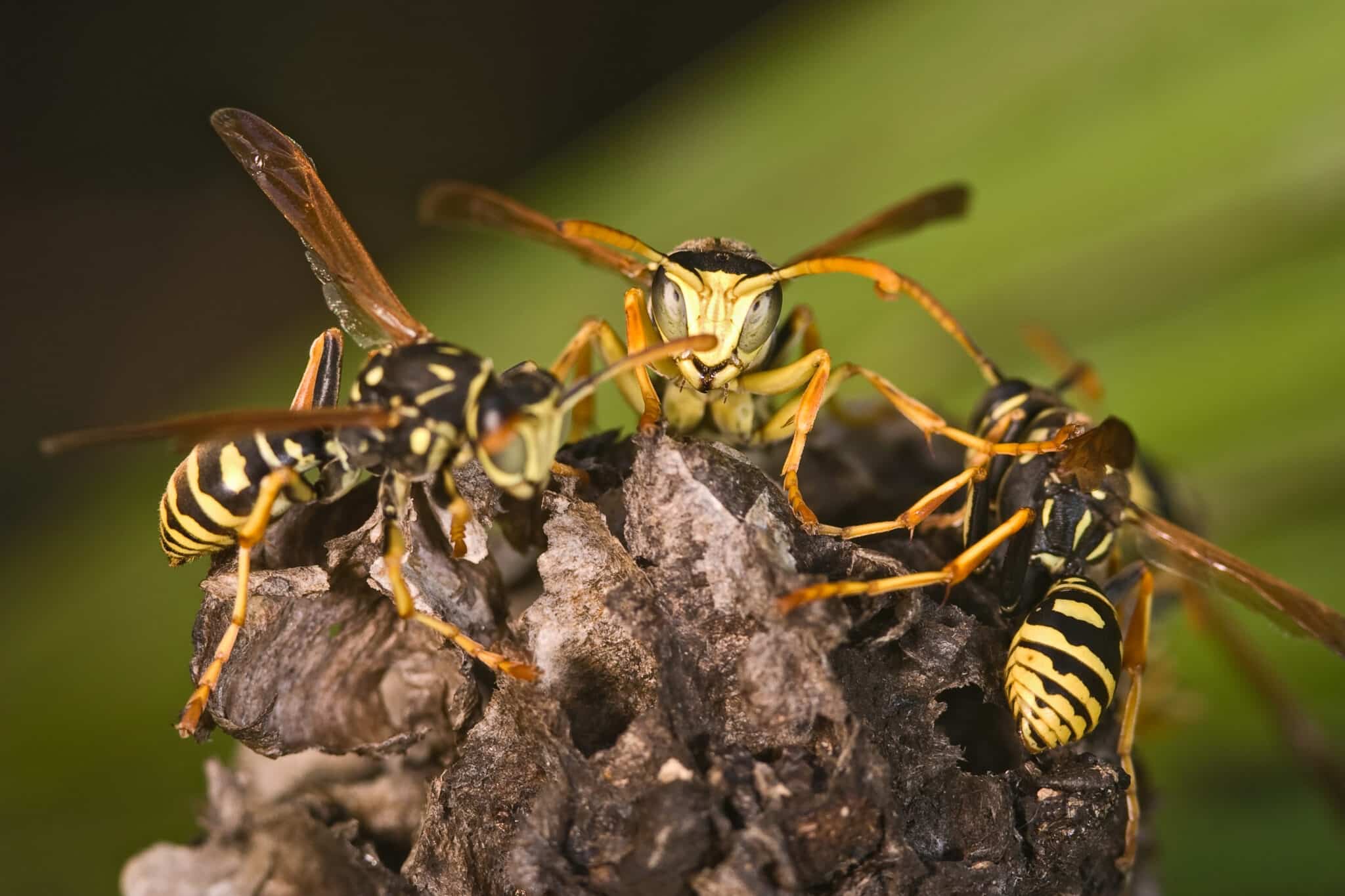
The Autumn Decline: When Does Wasp Season End?
As temperatures start to cool, the colony enters the final stage of its annual lifecycle.
The collapse of the colony
Wasp season usually ends sometime during September and October. At this stage, the queen stops laying eggs and the social structure of the carefully organised colony starts to break down. Without new larvae to care for, worker wasps lose their purpose and the nest gradually becomes less active.
When do wasps leave the nest for good?
Many people assume the colony simply packs up and moves elsewhere, but this isn’t the case. In reality, it’s a gradual process and worker wasps don’t migrate together. Instead, they scatter individually in search of sugar before eventually dying as temperatures continue to fall. The nest itself is never reused. By late autumn, it’s completely abandoned and next year’s queens will build new nests elsewhere.
Don’t Wait for Wasp Season to Solve the Problem
While understanding when wasp season is can be reassuring, it’s important not to assume that every nest should just be left alone. If an active nest is close to your home or workplace, waiting for the colder weather to arrive could result in painful stings and an increasingly defensive colony throughout the busiest months of the year.
Don’t take unnecessary risks, though: leave it to the experts in Worthing. Our professional wasp nest removal services provide a fast, safe and effective solution, giving you complete peace of mind. If you’re unsure whether a nest needs removing, contact us for friendly advice and a free quote.
At Pest Stop Boys, we provide safe, expert and fully insured pest control for wasps, bees and hornets. We proudly serve both residential and commercial properties throughout West Sussex, including Brighton, Worthing, Angmering and Coastal Villages, East Preston, Hove and Shoreham, with our friendly local team helping you keep your property safe all year round.

